Immigration enforcement kills local economies.
Those who argue for immigration enforcement are arguing to make America poor again.

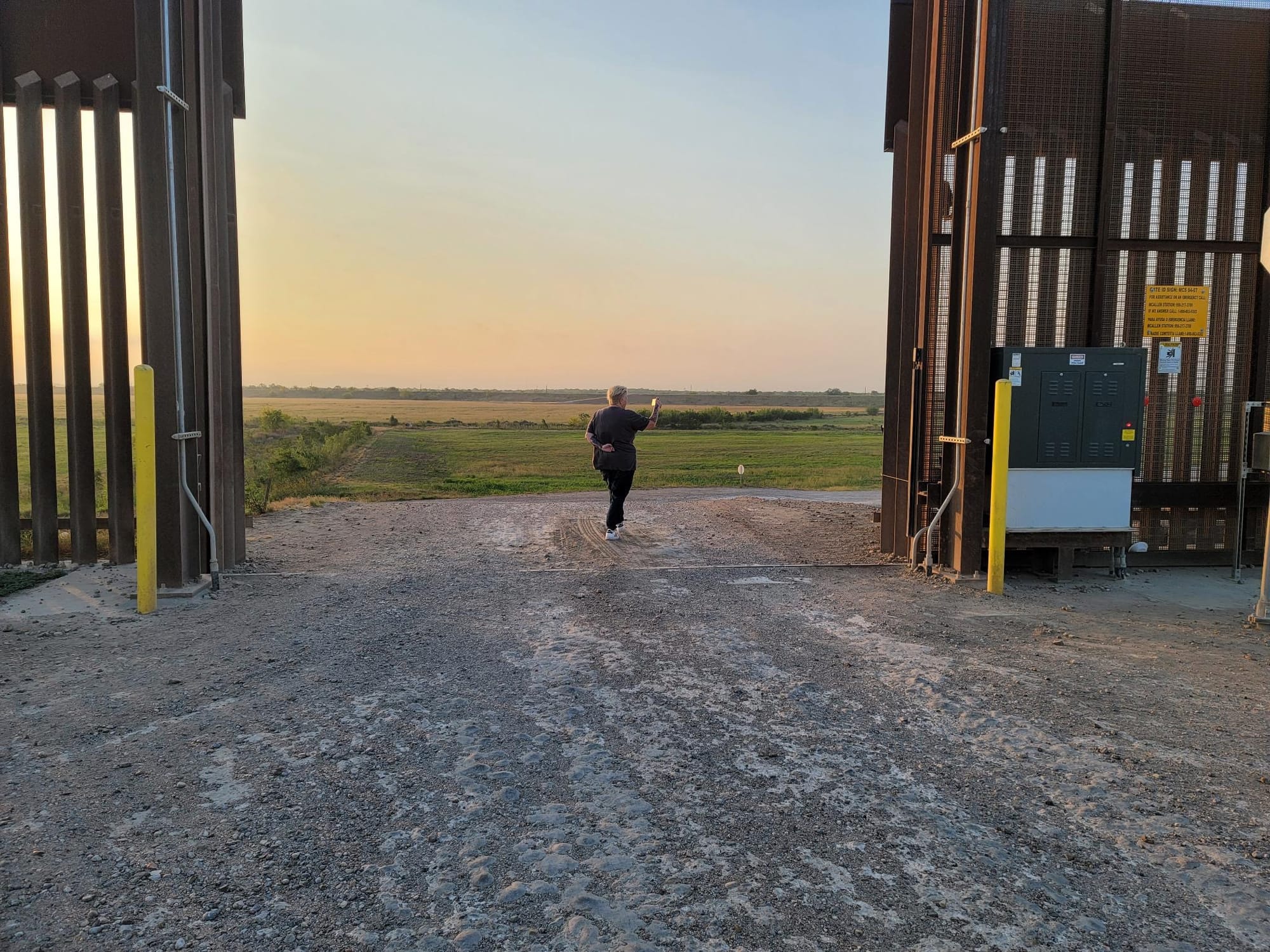
Recently, while speaking to a group of freshmen and sophomore community college students, it occurred to me that these young adults grew up after 9/11. I asked them what their thoughts were on the U.S. Border Patrol, CBP and ICE. In general, they stated that the agents had a tough job to do but that we needed to inspect every person entering the country because of the terrorist attacks. Republicans were harsh on immigration, but the democrats seemed to have no plans other than trying to be republican-lite. They believe that these agencies were honorable before Trump got ahold of them.
This experience forced me to reshape how I speak and write about immigration. My irritation that so few know the truth about the agencies, how they came into being and how they are not and were never honorable is moot. Bitching and moaning about this paradox does not serve justice, the migrants, our country nor myself. My time is much better spent doing the work it will take to educate people.
And I understand that for many of you, the civil rights arguments about having a robust and humane asylum and immigration system are not persuasive enough. You honestly do not think these agencies will come for you and your loved ones simply because you are citizens. Maybe you are under the misguided thought that once the mass deportation gets rid of all the so-called worst of the worst, things will settle down, the economy will be better, jobs will be more plentiful and wages will increase.
I won’t judge you for those false beliefs in this piece. Instead, I’ll show you the truth that when immigration agents bring their militarization to your town, your economy will not only suffer, but the chances that it will collapse increase the longer they stay.
I was fortunate to join the U.S. Border Patrol just as the militarization of the southern border had gotten started. I arrived in Campo, California as the modern border wall reached our patrol area. This means I experienced the southern border without a wall, that is without militarization, and then with it.
Before the militarization, the border was robust with heavy traffic going back and forth through the ports of entry. Mexican citizens crossed to work, attend school, shop, visit friends and attend concerts or plays. Americans ventured south for cheaper prescriptions, dentists, great food and yes, even work. In the mid-1990s, we were complaining about long wait times of ninety minutes to three or four hours when crossing into the U.S. at the San Ysidro port. Crossing into Mexico took less than a minute or two depending on traffic because there was little if any southbound inspection.
In 2009, the federal government began work on rebuilding the busiest port in the world by tearing down the old buildings and infrastructure from the 1970s. New vehicle lanes were added at the San Ysidro port in San Diego as well as increased pedestrian inspection lanes. Technology increased and allowed CBP to begin issuing SENTRI passes to those everyday crossers allowing for faster crossings.
Then 9/11 happened, and militarization of the border took on a whole different meaning. CBP cared less about wait times and convenience of crossers whether for business or pleasure and more about taking whatever time was needed to inspect all persons.
Fast-forward to Trump’s first presidency, and CBP wait times were increased to six, seven and even more than eight hours. I have personally waited in the vehicle lanes over eight hours, only to have the CBP officer wave me in with little inspection other than scanning my passport card. I have stood in the pedestrian lines for over four hours. One time in El Paso, I waited in temperatures over a hundred degrees in a car with no air conditioning for over five hours. That’s an incredible amount of time to hold your pee.
During the Covid shut down, a woman died in her car waiting to cross into the U.S. at the San Ysidro port of entry. The Title 42 pandemic law that only applied to migrants seeking asylum left CBP with more agents to inspect crossers with passports and cards, yet somehow their wait times increased. Why? CBP used Title 42 to literally close many of the lanes they had just built to facilitate crossings in an effort to discourage crossings that were not for business. CBP was no longer trying to facilitate legal crossings while maintaining their inspection duties. They were instead making crossing the border legally so difficult that people would give up trying. And that is exactly what happened. Daily border crossers were unable to get to their appointments and jobs in time and simply had to give up trying.
This means they gave up their jobs, pulled their kids out of school and stopped coming across for shopping and recreation. In turn, businesses along the border on the U.S. side suffered. Small mom and pop stores and restaurants began closing. For a short time, business got better for those on the Mexican side because the everyday border crossers were no longer crossing and spending their money on the north side. They were forced to get those services in Mexico.
The last time I was in Mexico was November 2024. I stayed a few nights in Nogales, Sonora for some meetings. Although the DeConcini port is tiny compared to San Ysidro, I still expected to have to wait a few hours to cross back into the U.S. by car. During Trump’s first Administration, I had spent enough time in Nogales, Arizona watching the increase in “closed for good” signs pop up in store windows. The north side had turned into a ghost town. The normal back and forth hustle and bustle of the past was gone, replaced by long lines, x-ray machines and CBP officers hell bent on denying people entry even if they had the legal right to do so.
I had not expected the wait trying to cross by car into Sonora that wrapped around the Burger King and down the highway for several miles. Once I finally got to the vehicle crossing, I was first inspected by three CBP officers and then Mexican military. When I say inspected, I mean they stared at my white face and then waved me through without a word. Hours and hours of waiting just to be waved through. It was ludicrous if not insane.
During those few days in Nogales, Sonora, I noticed a change. The south side of the border is just as desolate as the north now. Few Americans cross over any more to shop and enjoy the cuisine. The guy offering his donkey for gringos to sit on and get pictures is not around as much. The vendors selling cowboy hats and sombreros are not as aggressive to get you into their shops because they can no longer employ the guy who stands on the streets to call you in.
The two Nogales’ cross-border culture and economy, much like the other cities along the southern border, have been destroyed. It’s been thirty years since I arrived on the southern border. That’s all it took for the immigration enforcement agencies of ICE, CBP and the Border Patrol to turn both Nogales into economic ghost towns when compared to their pasts.
Today, these same agencies are in your cities. With their arrival they not only bring fear to immigrant communities, they bring destruction, crime, hate, chaos. Like our southern border communities, this violence and militarization in the false name of national security will now decimate your local economies.
In Tucson, Arizona, small businesses are being targeted by ICE. Gangs of ICE agents dressed as if they are in Fallujah enter Latino businesses demanding boxes of paperwork on their employees. These are I-9 employee inspections that were carried out in the past as civil cases but are now given the same amount of force as a drug bust under the Trump mass deportation. This causes locals to avoid the businesses. Then ICE fines them tens of thousands of dollars bankrupting the the families. Anyone confronting or just asking questions of the ICE agents is met with tear gas and pepper spray, including a sitting Congresswoman.
All for what are civil violations.
In Los Angeles, Chicago, Charlotte and every single other city hit by immigration raids, businesses are having to shut down, construction work is halted, schools are closing to protect children. Whether this is out of fear or because of the literal violence these agents bring, it always negatively affects local economies. Always.
Those who argue for immigration enforcement are arguing to make America poor again.